For music enthusiasts who enjoy singing along or learning non-native languages through foreign pop tracks, the way a streaming app displays lyrics is a critical part of the listening experience. However, feature support varies drastically depending on whether you want original text, line-by-line translated lyrics, or real-time scrolling animations.
Many listeners assume that every major streaming app provides the same lyric features. In reality, opening a downloaded track during a flight or underground subway commute often reveals frustrating limitations: lyrics fail to load offline, real-time scrolling drifts out of sync, or Korean translations are completely missing for foreign tracks.
This guide provides a technical breakdown of digital lyric formats, evaluates lyric engine accuracy across major music platforms in Korea, and examines offline storage mechanics.
Technical breakdown of original, translated, and real-time synced lyrics
Digital audio platforms categorize lyric data into three distinct technical formats, each requiring different server infrastructure and metadata curation.
Original text lyrics (원문 가사)
Original lyrics represent the most basic format. Plain text files are embedded directly into the track's metadata tags or delivered via static web text. While widely available for almost all commercial tracks, static original lyrics do not scroll automatically with the music, requiring listeners to scroll through paragraphs manually.
Translated lyrics (번역 가사)
Translated lyrics render the meaning of foreign songs into a listener's native language (e.g., converting English or Japanese lyrics into Korean - 한국어 번역 가사). Providing accurate translated lyrics requires streaming platforms to license professional human translation databases or integrate crowd-sourced translation networks.
Real-time synced lyrics (실시간 동기화 가사)
Synced lyrics utilize time-stamped text files (LRC metadata) that highlight each word or line in exact synchronization with the audio stream. Advanced karaoke-style engines highlight syllables in real time, making them ideal for singing along.
Lyric synchronization accuracy and translation coverage across major streaming apps
How streaming apps execute lyric synchronization and language translation varies significantly across major platforms operating in Korea.
Apple Music's side-by-side translated lyric display
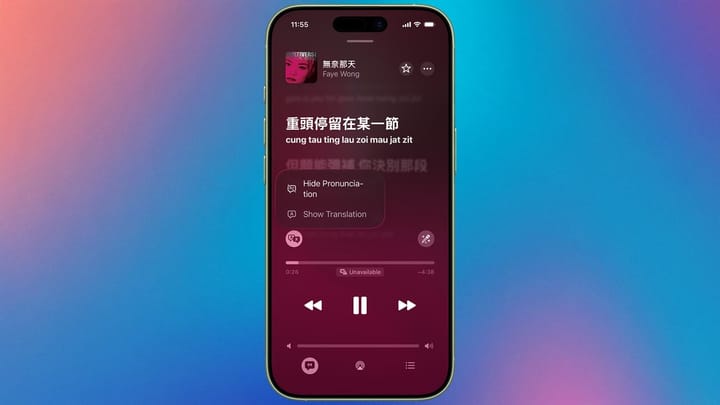
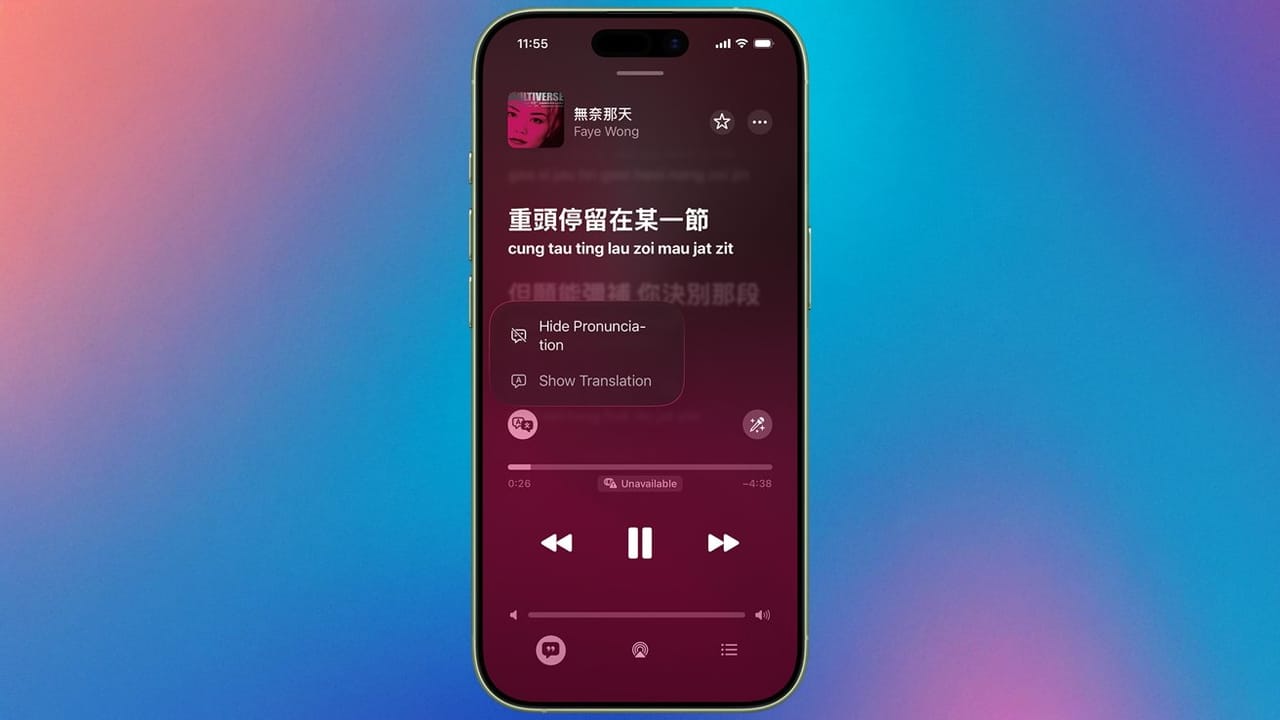
Apple Music KR delivers the most polished lyric UI in the industry. For foreign tracks, Apple Music displays original lyrics alongside line-by-line Korean translations (한국어 번역 가사) in a clean, dual-text layout. Its real-time synchronization engine uses smooth, animated karaoke-style highlighting that rarely drifts, even on fast-paced rap verses.
Spotify's Musixmatch integration and YouTube Music's text limitations
Spotify Korea partners with Musixmatch to deliver real-time scrolling lyrics. While Spotify excels at time synchronization for major hits, Korean translated lyrics for non-mainstream Western or Japanese tracks are frequently missing because Musixmatch relies heavily on crowd-sourced contributions.
YouTube Music KR is currently the most popular music app in Korea, but its lyric functionality remains its weakest feature. YouTube Music fetches lyrics from unverified community uploads or third-party web scrapers. Consequently, timing often drifts significantly behind the audio, and B-side tracks or indie releases frequently lack Korean translations entirely.
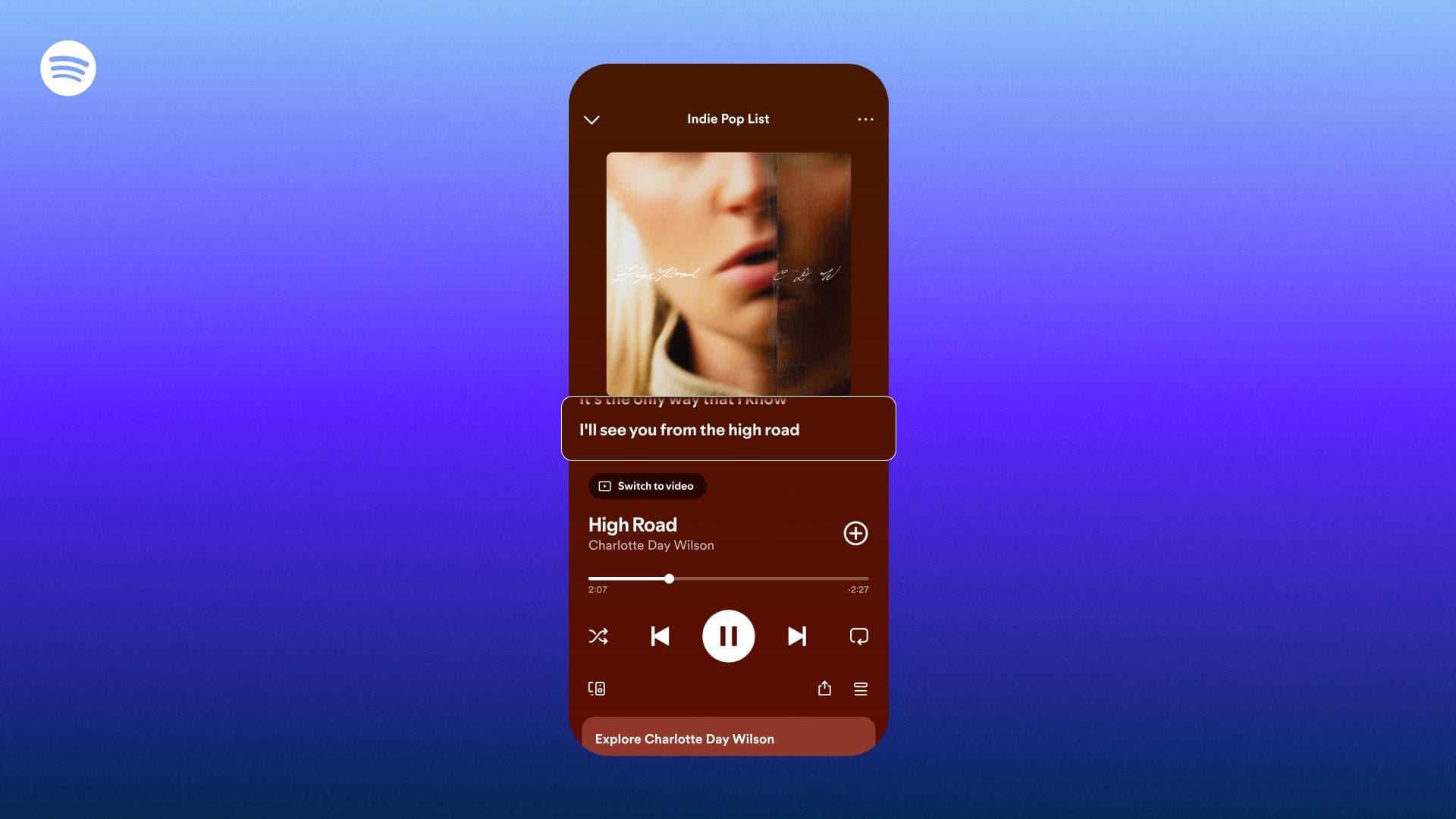
Music service lyric support matrix: Synced timing, Korean translation, and offline access
To help you choose the best streaming app based on your lyric requirements, refer to this feature evaluation matrix:
As demonstrated in the evaluation matrix, Apple Music KR and local Korean services like Melon (멜론) offer the most reliable offline lyric storage and translation accuracy.
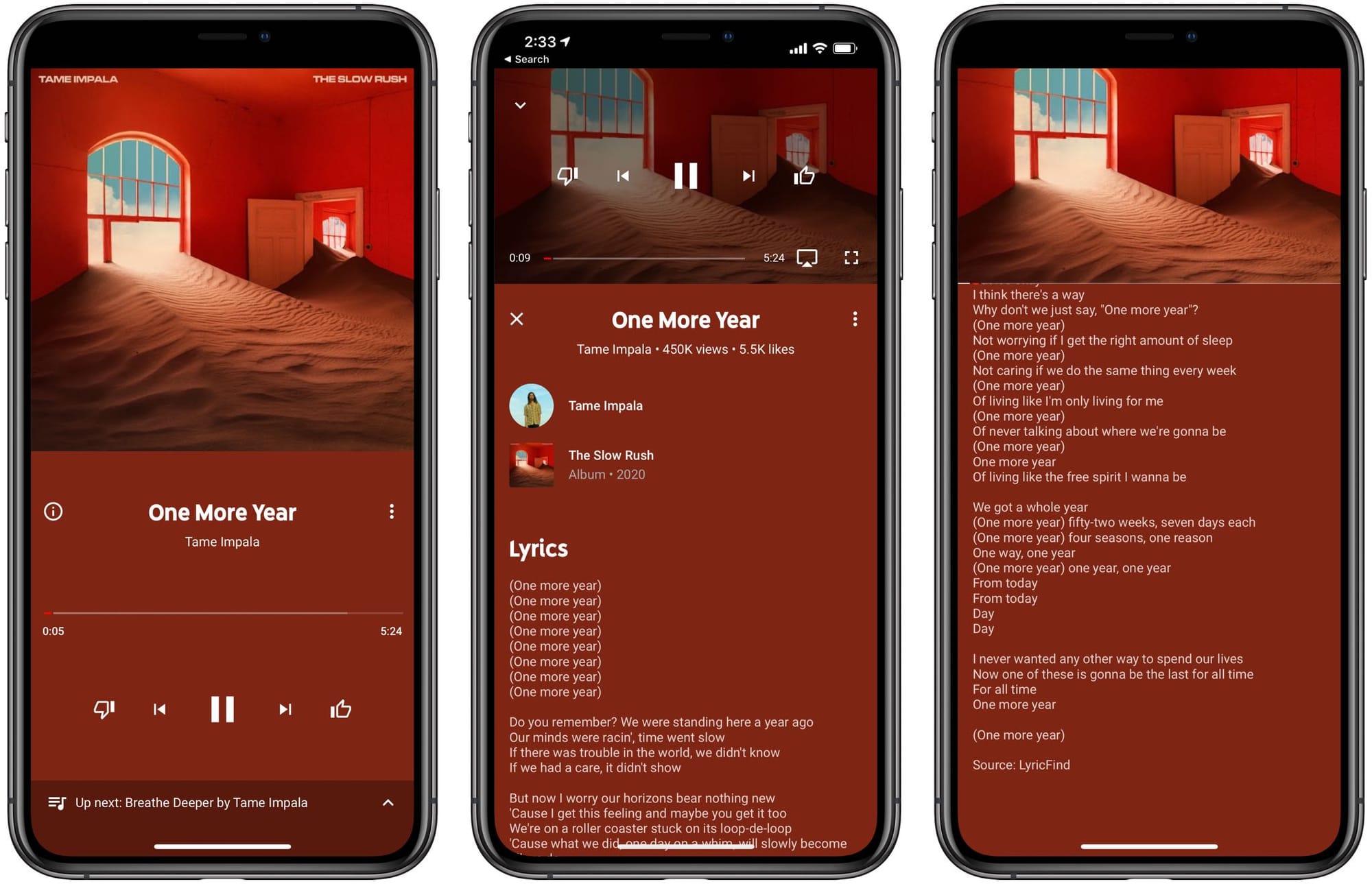
Offline lyric availability and metadata limits for live concert recordings
Understanding how music apps store lyric data locally explains why certain platforms fail completely when you lose cellular reception.
Offline storage mechanics in cellular dead zones
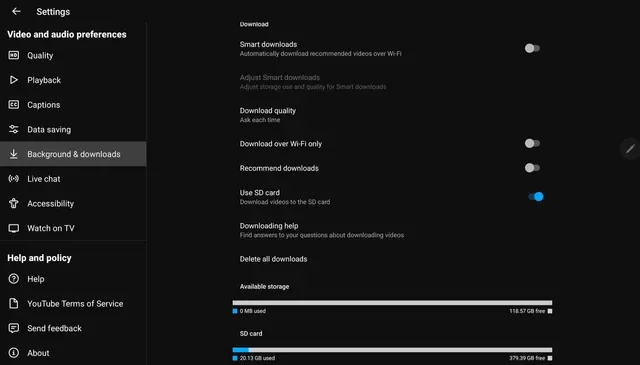
The primary operational flaw of YouTube Music KR is its online-dependent lyric delivery. When you download a song for offline playback on YouTube Music, the app downloads only the audio file. When you press play without an active internet connection, the lyric tab fails to load.
Conversely, Apple Music KR and domestic Korean apps like Melon (멜론) bundle encrypted lyric text files directly into the offline audio download package. When playing downloaded tracks on flights or underground subways, lyrics, time synchronization, and Korean translations function 100% offline.
Live concert and remix metadata errors
Regardless of platform, live concert recordings, acoustic versions, and official remixes frequently suffer from lyric synchronization errors. Because live performances alter song tempos, intro lengths, and vocal ad-libs, automated time-stamped LRC files fail to match the audio. Apple Music manages live metadata better due to manual editorial curation, whereas Spotify and YouTube Music frequently display studio lyrics over live recordings, resulting in severe timing drift.